I'd never met my great-grandfather, Frederick Walter Malley, he died shortly before my mother (his granddaughter) was born. I knew he was an Englishman, I had heard stories of illness following WW1 service, and that he made a life for himself in Durban. I decided to find out the details of his life, and the stories behind the facts. What I found was an education for me, as well as a story that would be considered extraordinary at any point in history, but in WW1 era London, it was unnervingly common.
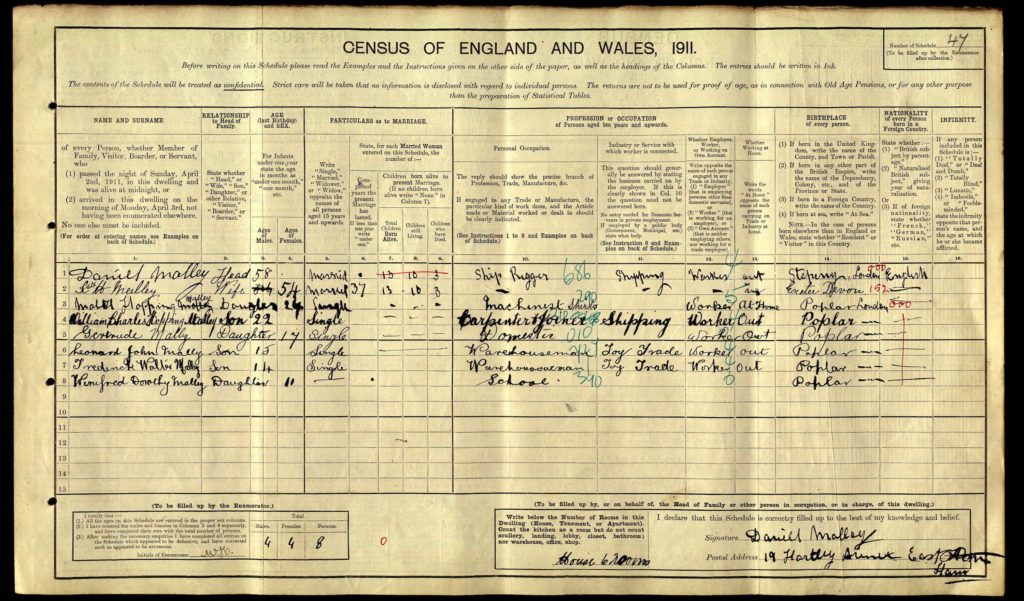
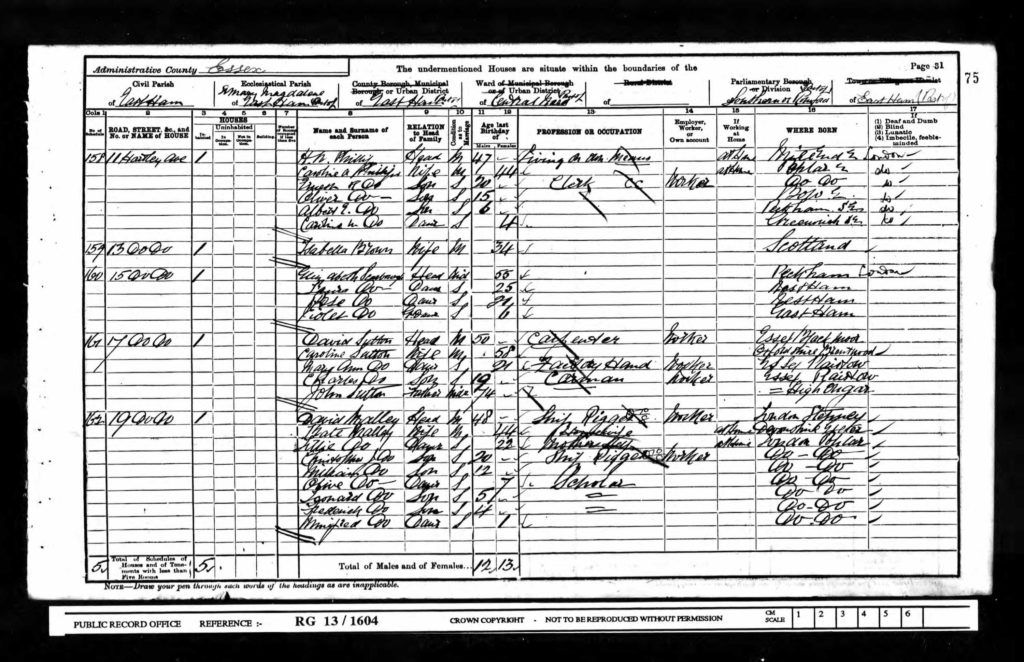
 Frederick Walter Malley was born in October 1896 in London, England. The 10th of 11 children to parents Daniel Malley and Kate Hopping Malley (born Eiles). Whilst his family was not well off by any standard, Fred was well looked after, and by all accounts had a normal childhood. He and his large family lived in Hartley Ave, East London in what now looks like prime real estate. Close to the shipyards, I can imagine all the families in the area at the time would have been related by work, as was so often the case in early industrial, inner-city suburbs!
Fred's father, Daniel Malley, was a Ship Rigger, born and raised in East London. On the 25th of October 1874, he married Kate Ellen Hopping Eiles of Exeter, Devon. Daniel and Kate had their first child within the first year of marriage, but it would be another 20 years before Fred was born to Kate (now 39 years old), and Daniel (now 44 years old). Kate and Daniel would go on to have their last child, Winifred two years later, and both would continue to live in London well into their 70s.
By 1911, at the age of 14, Fred was employed along with his brother Leonard in a toy warehouse, quite an amazing gift when you consider that in only three short years the world would be on the brink of the first world war.
On the 5th August 1914, Frederick Walter Malley enlisted in the British Army, along with his brothers Leonard and Daniel.
Frederick was enlisted to join the 18th Batallion London (London Irish Rifles), the now famous volunteer rifle regiment of the British Army.
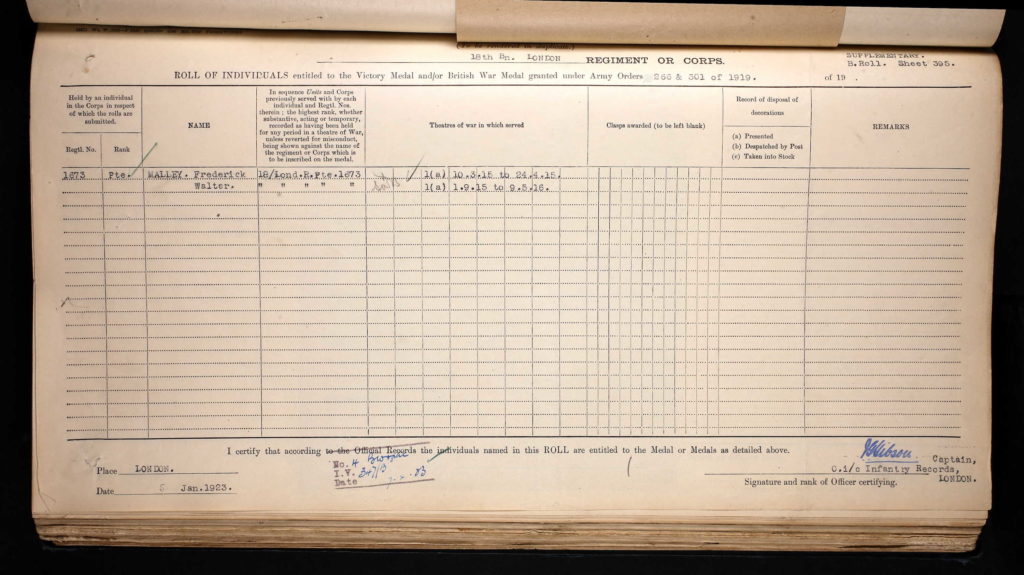
After months of training and preparation, Fred, along with over 1,000 fellow soldiers in the London Irish Rifles set sail for France in March 1915.
Arriving in Le Harve on the 10th March 1915, the battalion made slow progress to the front line. Catching a train to Bavinchove, then a march to Winnezeele on the French/Belgian Border, the battalion began preparing for trench warfare, and before long were setting out to relieve entrenched units along the front. The first major action for the battalion took place during a failed assault at Neuve Chapelle. The London Irish acted bravely by all accounts, however, the German machine guns could not be overcome, so the battalion had to scatter and regroup.
After several skirmishes over the next few months, in September 1915 the London Irish Rifles settled into the trenches near Loos. They probably didn't know it yet, but the upcoming Battle of Loos would be the defining moment in their wartime record, cementing their place in the history books.
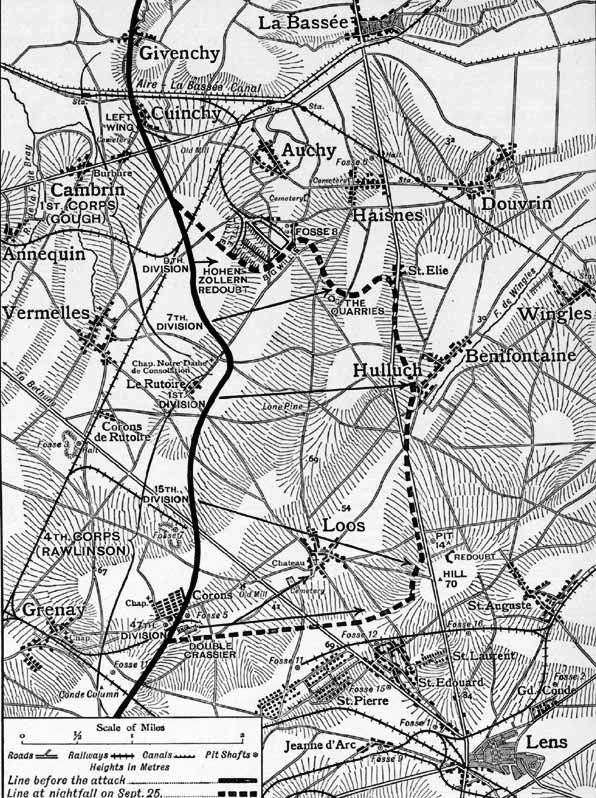
At 6:30 am on Saturday 25th September 1915, 6 divisions of the British and French armies, including the Lindon Irish Rifles (as part of the 47th Division), advanced in a coordinated attack on the German lines. It was during this assault that one of Fred's fellow riflemen, Frank Edwards, decided to dribble a soccer ball as he was storming across no-mans land. Famously, Frank was able to get the ball from the British trench, all the way across the no-mans land, into the enemy trench, as the London Irish Rifles successfully stormed their section of the German lines!
"At 630am, the leading platoons cleared our parapet and moved off in quick time towards the enemy’s front line, Although, not more than 300 yards away, it could not be seen owing to the dense cloud of smoke which now enveloped it."
War Diary, 1/18th London Regiment – 25th September 1915
This battle marks an astounding success for the London Irish Rifles, but it was not a success for the allied forces as a whole. Relatively, Fred's regiment suffered minimal casualties, losing fewer than 100 fellow riflemen in the attack, but that pales in comparison to the nearly 60,000 allied casualties from the battle! This would make up over 20% of all the casualties for the allied forces in 1915.
The Battle of Loos also marks the first time in WW1 that the British Army used Mustard Gas on their enemies, marking a dark day for humanity as a whole, and a decisive moment for Frank, who would feel the effects of Mustard Gas for the rest of his life.
British Army War Diary for the Battle of Loos - London Irish Rifles:
London Irish Rifles - War Diary - Battle of Loos
After the Battle of Loos, the Allied forces, having not gained the advantage they wanted, continued the offensive against a still strong German Army. This took the London Irish Rifles all the way to Hohenzollern Redoubt in December 1915. This is where Fred and his fellow riflemen saw out 1915, and by all accounts had an utterly horrible Christmas, freezing and starving in the front line trenches before being relieved. Eventually, the battalion withdrew to a support role between the front line and Vermelles, no doubt in an effort to rest the men after what can only be described as an epic end to the year.
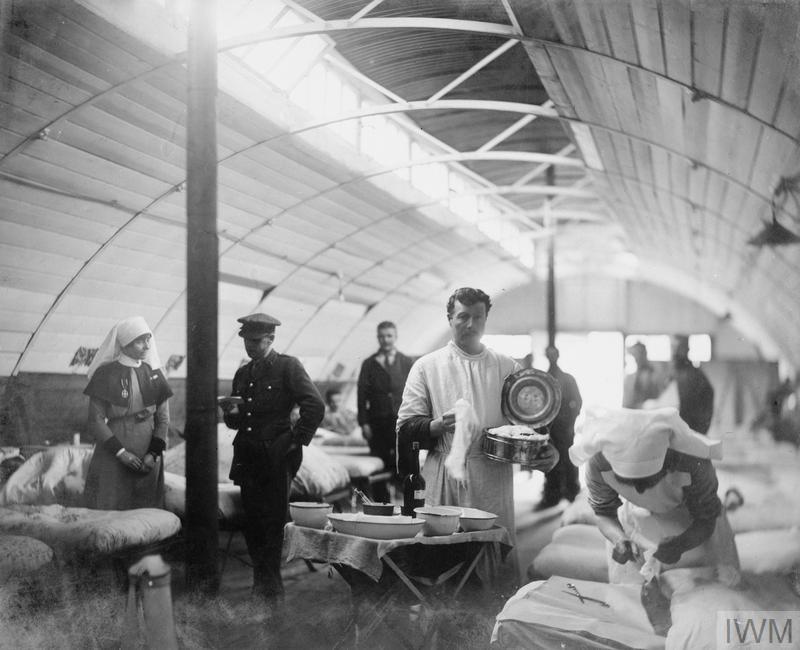
During this rest, Fred was removed to No. 4 Stationary Hospital at Arques to receive treatment for a gunshot wound to his right hand. He was patched up, given two weeks to recover, and by mid-January was back in regular service with the London Irish Rifles.
Over the next few months, the Battalion made its way to Vimy Ridge, relieving various units along the way. In May they arrived at Vimy Ridge after the Canadian Corps had secured an important victory. The battalion would remain in the Vimy Ridge area, holding the line that has been hard won, until August 1916.
I know I am glossing over a large time period here - and I don't want you to think that nothing important happened in the 10 months following the Battle of Loos. The truth is, it was pretty much a constant defense and offense of the front line, as the Battalion relieved various other units they were under near constant attack, living in and out of trenches. It can be quite easy to get complacent reading through the various accounts, another mortar attack, another secret bomb, another night ducking enemy fire - but put yourself in any of those situations, one night would be more than enough for a lifetime and yet for these men this was normal for two full years, with the occasional big battle to change it up. I don't know if I am relating too much because this actually happened to a direct relative, or if previously I've not related enough because I haven't had that direct relativity. I suspect it is the later.
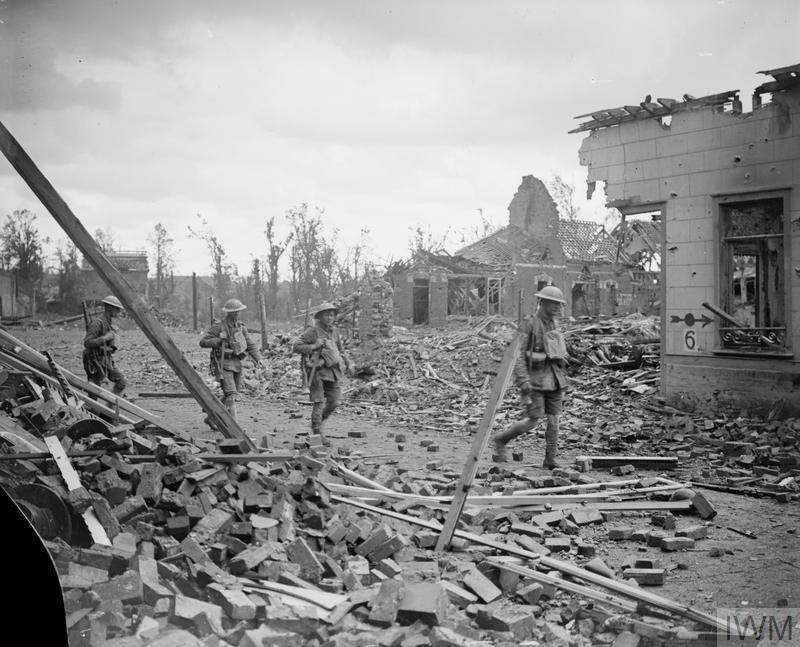
But on that note of self-reflection, we reach the end of Fred's WW1 campaign. Discharged on Tuesday 22nd August 1916 due to unspecified 'wounds', Rifleman Frederick Walter Malley of the 1/18th London Regiment had served his King and country and returned to London having earned the Silver War Badge and a Victory Medal. He may not have risen through the ranks or wrangled some sort of heroes medal, but I'm in no doubt that Fred, at the ripe old age of 20, had lived through more than most anyone should be forced to live through.
Not much is known about Fred's life immediately post WW1, what I do know is that Fred's family sent three of their young sons (Fred, Leonard, and Daniel) off to fight in the war, and all three returned home - pretty impressive odds when you think about it!
What I do know is that on 26th October 1918, just over two years after being discharged from service, Frederick Walter Malley married Pearl Millicent Violet Page in Durban, South Africa. I have no idea what inspired Fred to migrate so soon after the war - I could speculate that after spending two years in the hell of World War 1, South Africa must have seemed to be a world away from that horror. But that is just speculation. He obviously stood by his decision though, because a few years later his younger sister Winifred migrated to Durban with her new husband Frederick James Crosse, thus establishing the Malley/Crosse family in Durban.
Two years after their marriage Pearl gave birth to my grandmother, Daphne Noreen Malley, and the rest - as they say - is history!
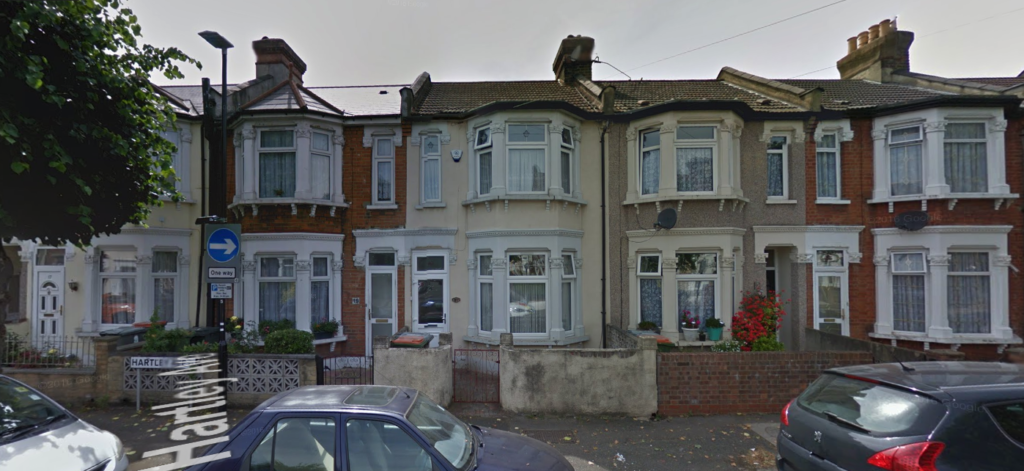
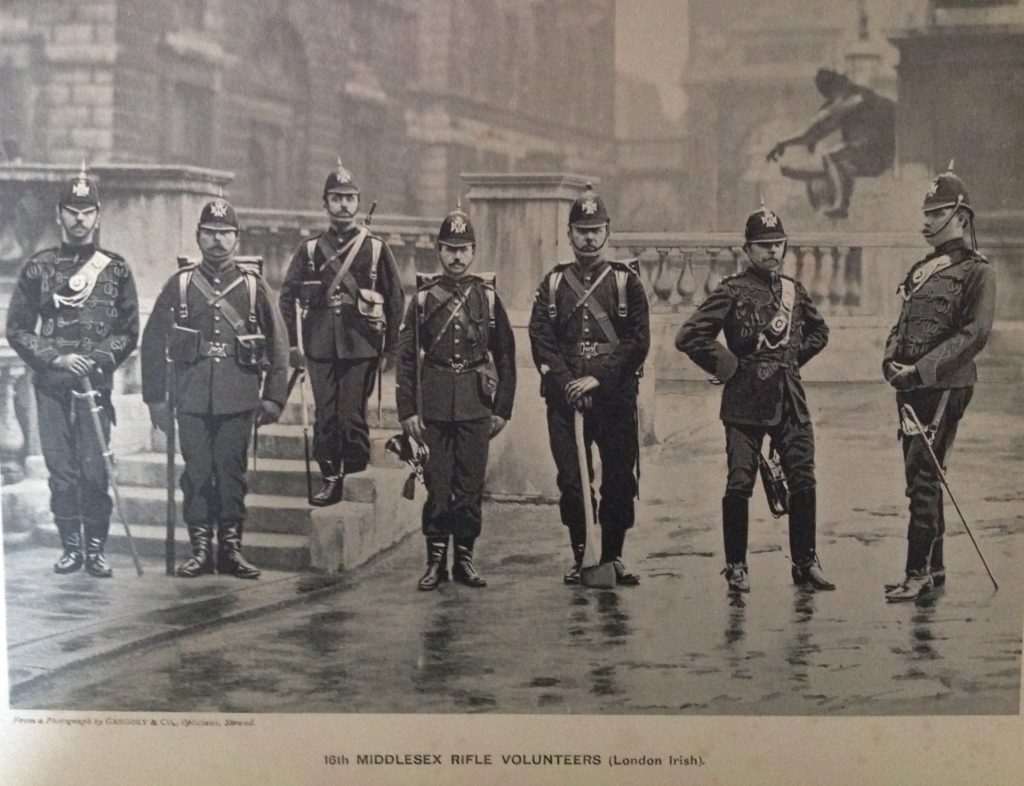
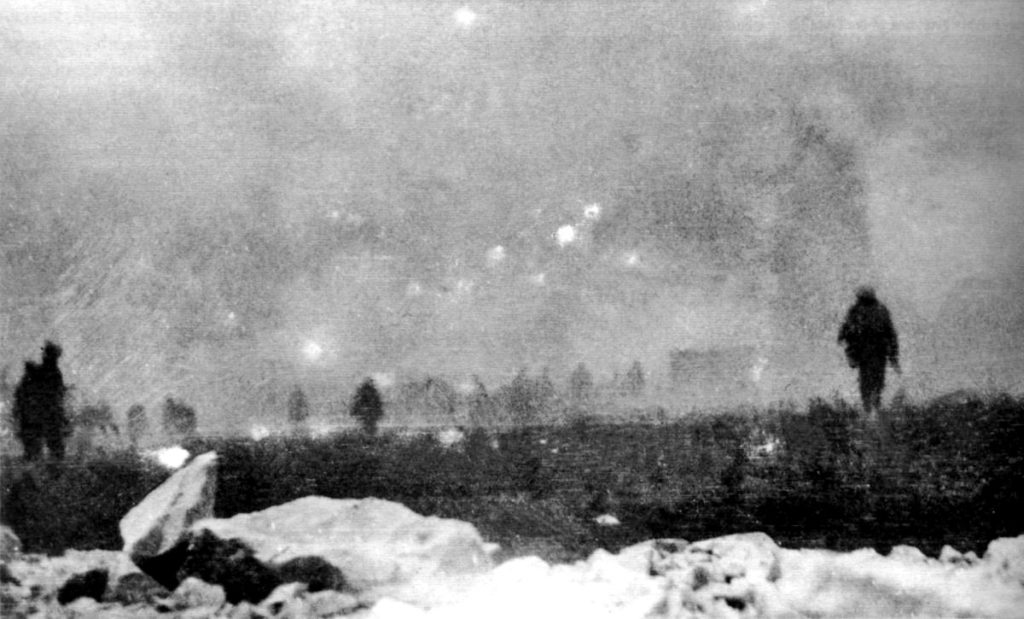



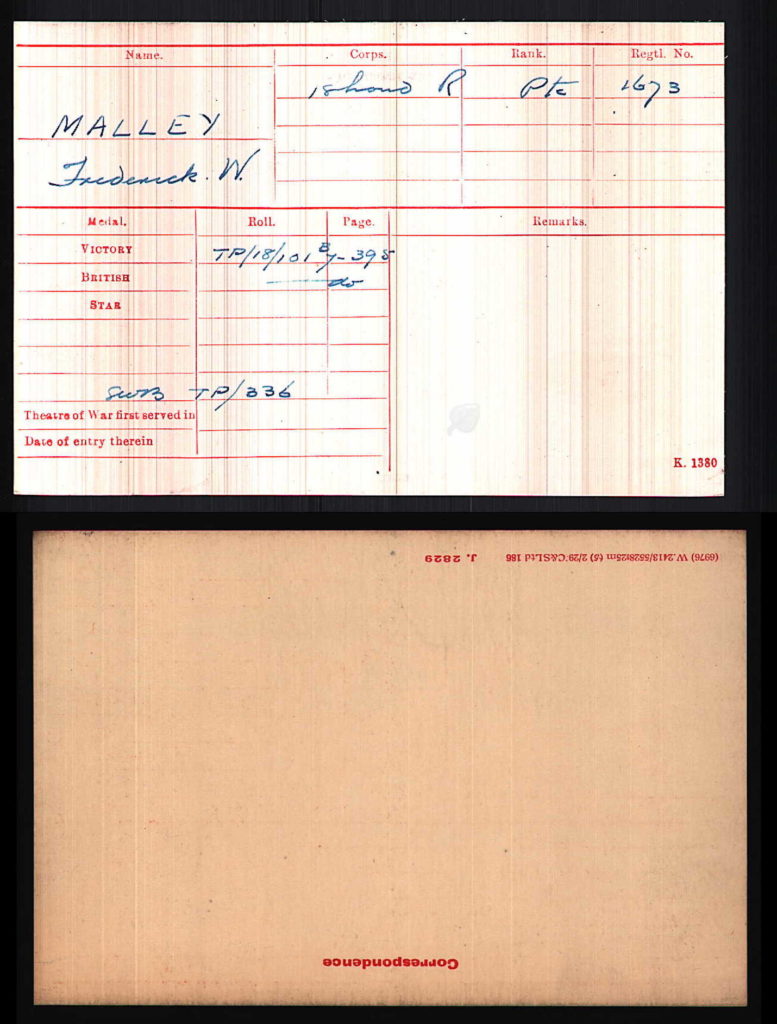

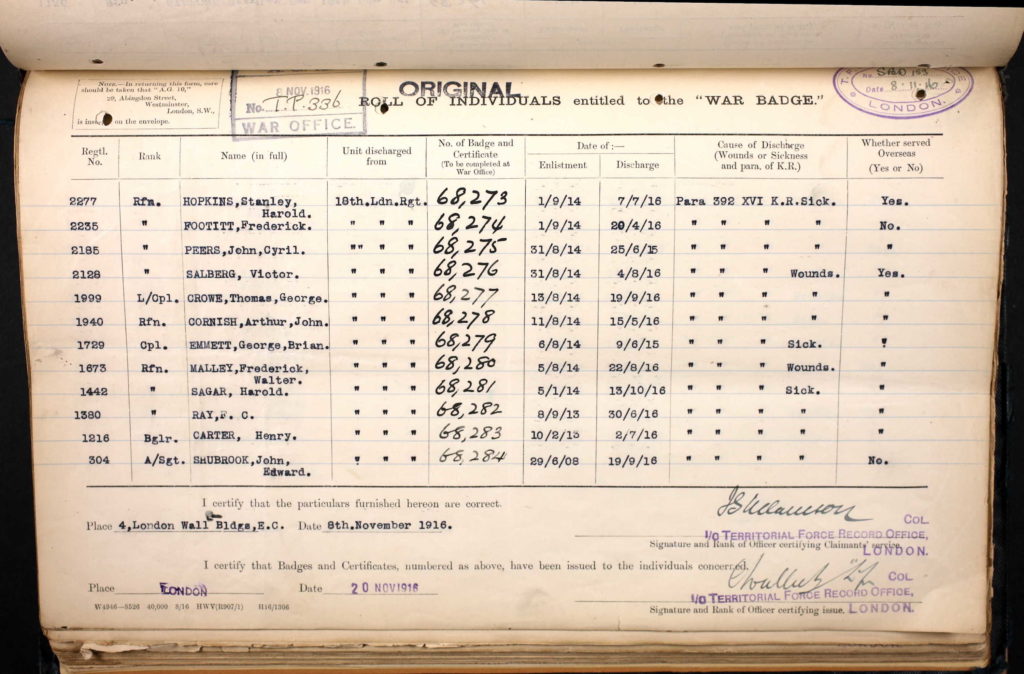
Note: I don't have any actual photos of Fred or his family, any photos with people are general photos of that place/time.
Sources
London Irish Rifles Association. (n.d.). Retrieved May 15, 2018, from https://www.londonirishrifles.com/
London Irish Rifles. (2018, May 15). Retrieved from https://en.wikipedia.org/wiki/London_Irish_Rifles
Ancestry.com WW1 Records
Ancestry.com - 1901 and 1911 Census
Forces War Records